Why Car Insurance Prices Can Rise Even Without a Claim
The reasons behind higher car insurance renewals, and practical ways drivers look to bring the cost down.
In this guide
Key takeaways
- Premiums reflect the cost of claims in your area, not just your own record.
- Repair costs, medical costs and severe weather all push prices up.
- Personal factors, such as an expired discount, can also change your price.
- Shopping around and reviewing your coverage can help.
Introduction
You haven't had an accident or a ticket, but your car insurance renewal still went up. It's frustrating, and it's common. Insurance prices reflect what insurers expect to pay out across all their customers, not just your own driving record.
Here are the most common reasons, and what drivers can do about them.
Advertisement
1. Repairs cost more
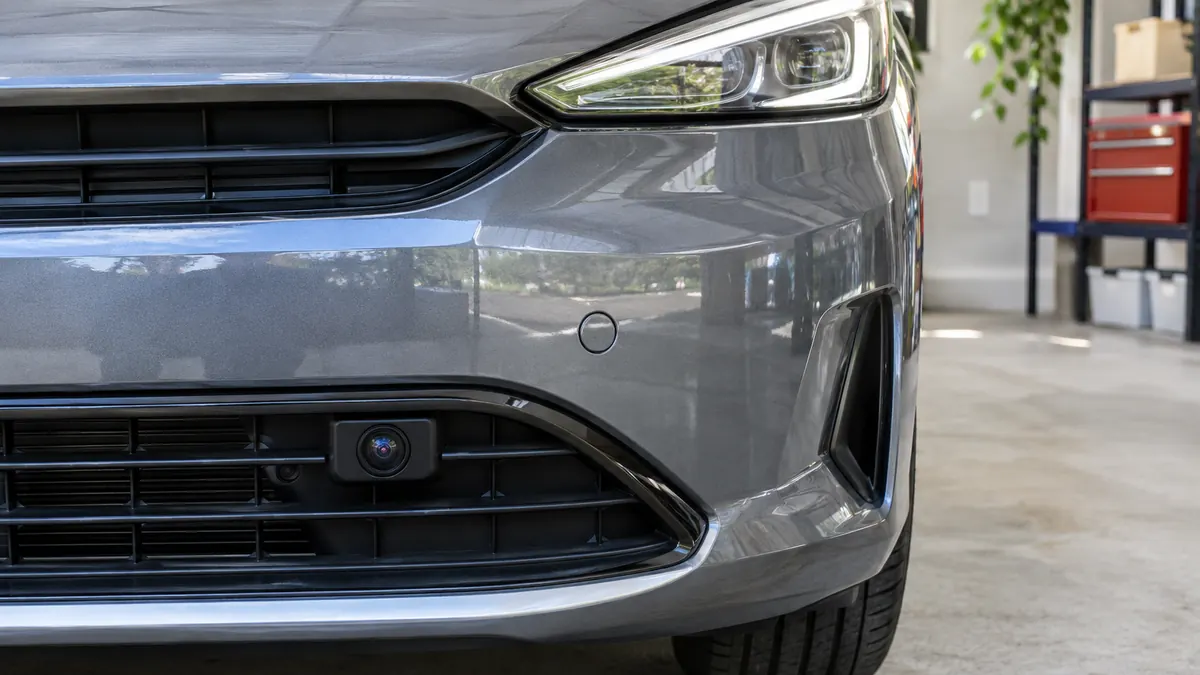
Modern cars are packed with sensors, cameras and electronics. Even a minor bump can mean replacing and recalibrating expensive parts. Higher repair and parts costs mean higher claim costs, which feed through to premiums.
2. Medical and legal costs
When people are injured in crashes, medical bills and legal costs can be significant. As those costs rise, so does the liability part of everyone's premium.
8 more sections · 6 min read
Continue reading this guide
Watch a short ad to read the rest of this guide. You'll only need to do this once for this guide.
Not now, show me another guide →3. Claims in your area
Insurers price policies partly by location. If accidents, thefts or claims increase where you live, prices can rise for everyone in the area, even drivers with clean records.
4. Severe weather
Hail, floods and storms can damage thousands of cars at once. Those losses are paid through comprehensive coverage, and frequent severe weather in a region can lead to higher prices there.
Advertisement
5. Changes to your own policy
- A new-customer or introductory discount may have ended.
- You may have added a driver, a car or more coverage.
- In most states, insurers can use a credit-based insurance score, so changes to your credit can affect your price.
- Moving to a new address, even nearby, can change your rate.
How drivers try to bring the price down
- Shop around at renewal and compare quotes with the same coverage and deductibles.
- Ask about discounts for bundling with home or renters insurance, safe driving, low mileage, safety features or defensive driving courses.
- Review your deductible. A higher deductible usually lowers your premium, if you could afford to pay it.
- Look at coverage on older cars. The NAIC suggests that when a vehicle has little value, drivers may consider dropping comprehensive or collision.
- Ask about telematics, programs that track driving habits through an app or device and may lower premiums for safe drivers.
Advertisement
Questions to ask at renewal
- What changed on my policy since last year, and why did the price go up?
- Did any discounts end, and am I eligible for any new ones?
- How would a higher deductible change my premium?
- Is my mileage recorded correctly?
- Do you offer a telematics or safe-driving program?
Coverage worth keeping
When trying to cut costs, be careful not to remove coverage you'd really need. Liability limits protect your savings and assets if you cause a serious accident. Uninsured motorist coverage helps if you're hit by someone without enough insurance. Lowering these to save a small amount can leave you exposed to large bills.
Advertisement
How insurers set prices
Insurance companies use data on past claims to predict future costs. They group drivers by factors linked to risk, such as location, vehicle type, driving record and how much they drive, and set prices for each group.
In most states, insurers file their rates with the state insurance department, which reviews them. If you think your premium is wrong, or you have a complaint you can't resolve with your insurer, your state insurance department can help.
Conclusion
A higher car insurance renewal isn't always about you. Repair costs, medical costs, local claims and weather all play a part. Comparing quotes, asking about discounts and reviewing your coverage each year can help you keep the price under control without leaving yourself underinsured.
Common questions
Why did my car insurance go up if I didn't make a claim?
Prices reflect wider costs such as repairs, medical bills, local claims and weather, as well as changes to your own policy or discounts.
Is it worth switching insurers?
It can be. Compare quotes with the same coverage, and check each insurer's claims service and complaint record, not just price.
Can I ask my insurer why my premium went up?
Yes. Your agent or insurer can explain which factors changed and whether any discounts are available.
Sources and further reading
This guide is general information, not insurance advice. Coverage, exclusions and prices vary by insurer, policy and state. Always read your policy and talk to a licensed agent or your insurer about your situation.