How to Hire a Handyman: 10 Questions to Ask Before You Book
What a handyman can and can't do, how pricing works and the questions that help you avoid problems.
In this guide
Key takeaways
- Handymen are a good fit for small repairs and odd jobs, not major electrical, plumbing or gas work.
- Licensing rules vary by state, and some jobs legally need a licensed contractor.
- Always get a written estimate and ask for proof of insurance.
- Avoid paying the full amount upfront or in cash.
What a handyman typically does
A handyman is a good choice for small jobs around the house, especially when you have several to tackle in one visit. Common jobs include:
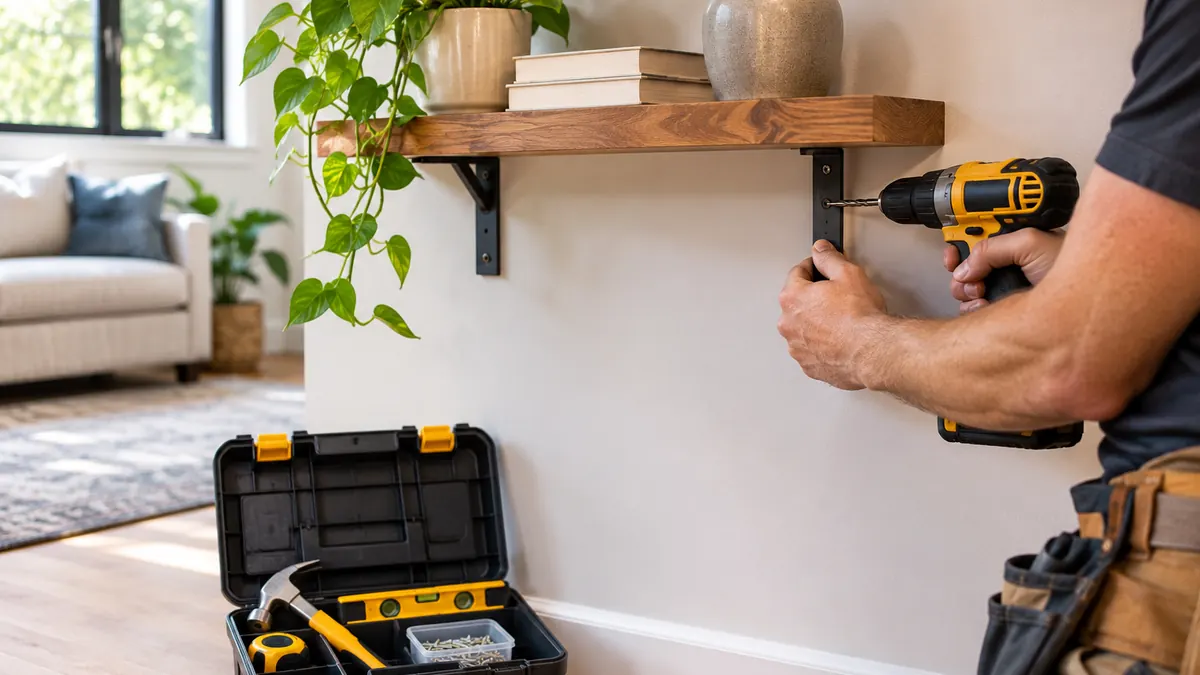
- hanging shelves, TVs, mirrors and pictures
- assembling furniture
- patching drywall and touch-up painting
- replacing door handles, hinges and locks
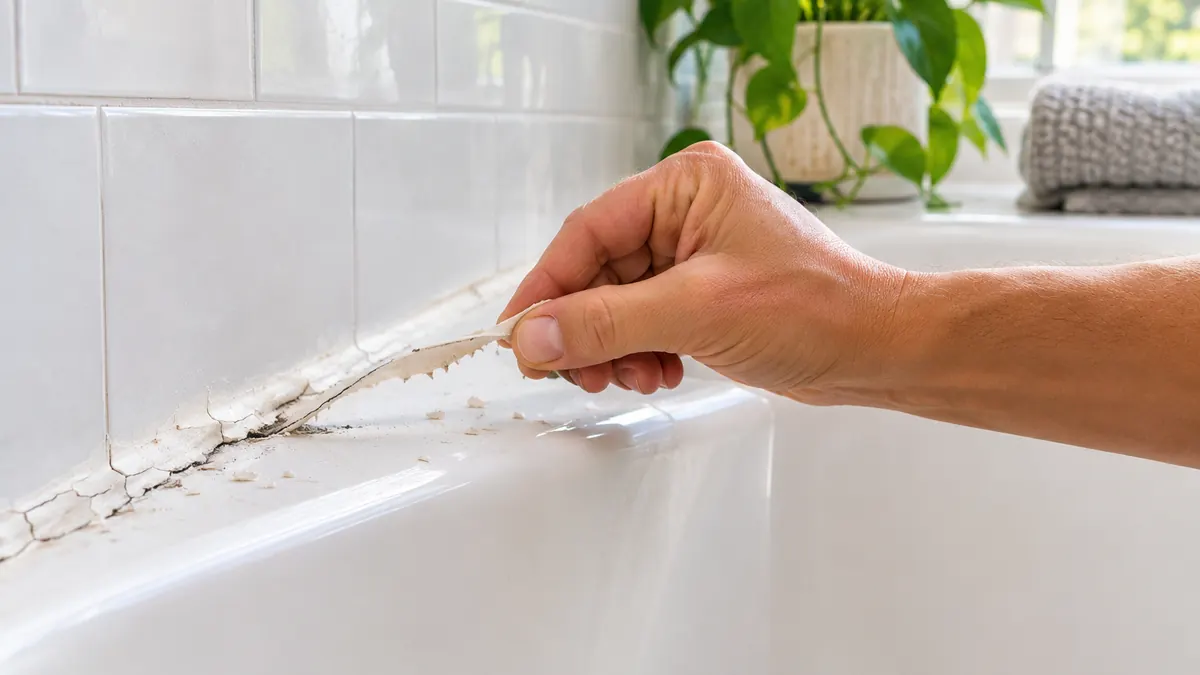
- caulking tubs, sinks and windows
- fixing loose railings, cabinet doors and fence boards
- swapping a light fixture or faucet, where local rules allow
Advertisement
Jobs that usually need a licensed trade
Larger or riskier work often requires a licensed electrician, plumber, HVAC technician or general contractor, and sometimes a permit. This commonly includes:
- new electrical circuits, panels or wiring
- moving or adding plumbing lines
- anything involving gas lines or gas appliances
- structural changes, such as removing walls
- roofing and major remodels
Rules differ by state and city. Some states require a contractor's license once a job goes over a certain dollar amount, even for general repairs. Your state's contractor licensing board website will explain the rules where you live.
How handyman pricing works
Handymen usually charge in one of three ways:
- By the hour, often with a minimum charge, such as one or two hours.
- A flat rate per job, such as a set price to mount a TV.
- A quote for a list of jobs, which can work out cheaper than booking each one separately.
Materials may be included or billed separately, sometimes with a markup. Ask how materials are charged before work starts.
4 more sections · 6 min read
Continue reading this guide
Watch a short ad to read the rest of this guide. You'll only need to do this once for this guide.
Not now, show me another guide →10 questions to ask before you book
- Are you licensed for this type of work in my state, if a license is needed?
- Do you have liability insurance, and can you show proof?
- Have you done this exact type of job before? Can I see photos or speak to past customers?
- Will you give me a written estimate?
- Do you charge by the hour or by the job, and is there a minimum charge?
- How are materials charged, and who buys them?
- Will you do the work yourself or send someone else?
- Does the job need a permit, and who will get it?
- When can you start, and how long will it take?
- Do you stand behind your work, and what happens if something goes wrong afterward?
Red flags to watch for
- Asking for full payment, or a large deposit, before any work starts.
- Only accepting cash, gift cards or wire transfers.
- Refusing to put an estimate or agreement in writing.
- Pressure to decide on the spot, or a price that's only good today.
- Knocking on your door to say they noticed a problem and have leftover materials from a nearby job.
- No business name, address or way to check reviews.
The Federal Trade Commission warns that these are common signs of home repair scams.
Advertisement
Payment and paperwork
For small jobs, paying when the work is finished is common. For bigger jobs, a modest deposit for materials is normal, with the rest paid as work is completed. Paying by credit card or check gives you a record and, with a credit card, may give you extra protection if there's a dispute.
Keep a copy of the written estimate, any changes you agree to along the way and the final invoice.
After the job is done
- Walk through the work with the handyman before you pay the final amount.
- Test anything that was fixed: doors, faucets, fixtures and locks.
- Ask for any leftover materials and manuals for anything installed.
- Leave an honest review. It helps other homeowners and good tradespeople.
Common questions
Does a handyman need a license?
It depends on your state and the size and type of job. Some states have no license for general handyman work below a certain dollar amount, while specialist work such as electrical or plumbing almost always needs a licensed professional.
Is it normal to pay a deposit?
For larger jobs, a reasonable deposit for materials is common. Be cautious of anyone asking for most or all of the money upfront.
How do I check a handyman's reviews?
Look at several review sites, not just one, and ask for references from recent customers with similar jobs.
Sources and further reading
This guide is general information. Licensing and permit rules vary by state and city, so check the rules where you live.