Why Online Prices Change and How Shoppers Track Them
Why the same product can cost different amounts from day to day, and simple ways shoppers keep track.
In this guide
Key takeaways
- Online retailers can change prices often, sometimes several times a day.
- Prices can vary based on demand, competitors, stock and timing.
- The FTC has been studying how personal data may be used to set prices.
- Price alerts and price history tools help shoppers buy at a better time.
Introduction
You look at a product online, come back the next day, and the price has changed. It's not your imagination. Online prices can move often, and understanding why can help you decide when to buy.
Advertisement
Dynamic pricing
Many online retailers use software that adjusts prices automatically. Prices can change based on:
- Demand: popular items or busy shopping periods
- Competitors: matching or reacting to other stores' prices
- Stock levels: clearing old stock or protecting low stock
- Timing: sales events, seasons and new model releases
This is the same idea as airline tickets and hotel rooms, which have changed price with demand for many years.
Can prices be personal?
The Federal Trade Commission has been looking into whether companies use personal data to set prices for individual shoppers. In January 2025, FTC staff released initial findings from a study of companies that provide pricing tools to retailers. The findings suggested details like a person's location, browsing patterns and items left in an online cart can be used by retailers to tailor prices or offers.
In October 2026, the FTC ordered several major airlines, ride-sharing companies, food-delivery firms and retailers to provide information on whether and how they use personal data to set prices. The study is ongoing, and how widely personalized pricing is used is still not well understood.
5 more sections · 6 min read
Continue reading this guide
Watch a short ad to read the rest of this guide. You'll only need to do this once for this guide.
Not now, show me another guide →How shoppers keep track of prices
- Price alerts: many retailers and browser tools let you set an alert when a product drops to a price you choose.
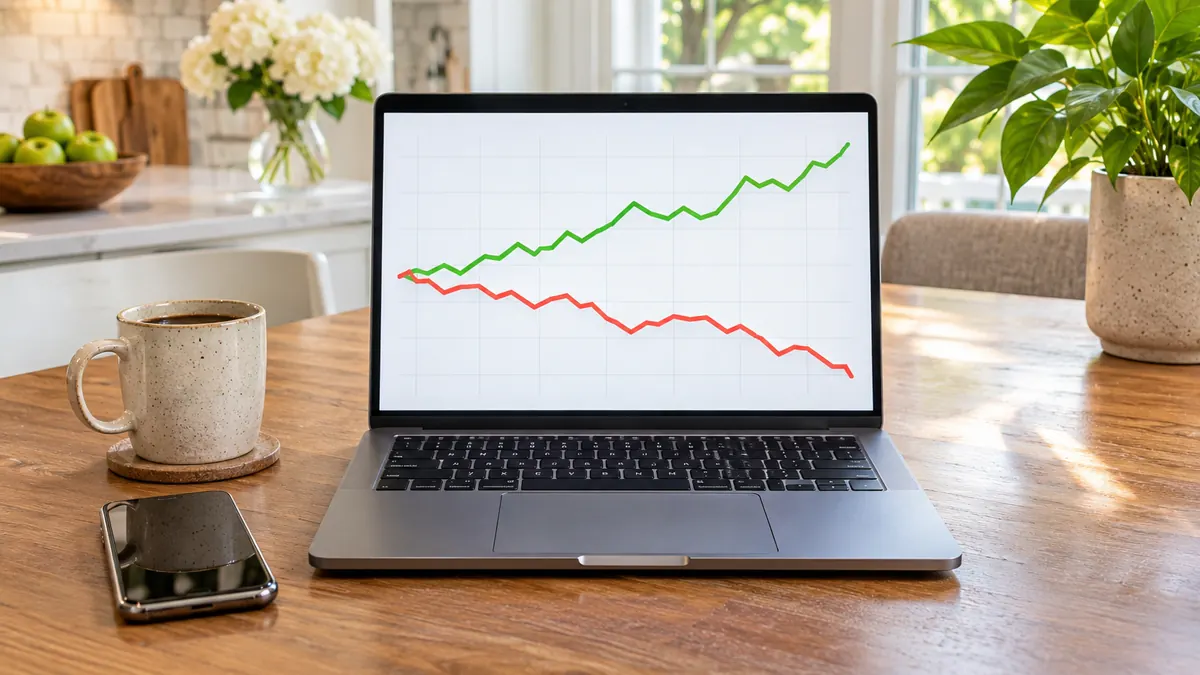
- Price history tools: some websites and browser extensions show how an item's price has changed over time, so you can tell whether a "sale" is really a good price.
- Wish lists: saving items to a wish list or cart can make it easier to spot price changes.
- Comparing stores: checking a few retailers before buying helps you see the going price.
Before installing a browser extension, check what data it collects and read its privacy policy.
Simple habits that help
- Know the usual price of things you buy often, so you can spot a real deal.
- Look past the "was" price. A crossed-out price isn't always what the item usually sells for.
- Check price adjustment policies. Some stores refund the difference if the price drops soon after you buy.
- Compare the total, including shipping, taxes and fees, not just the item price.
- Sign out and compare, if you're curious whether a price is the same when you're not logged in.
Advertisement
When prices often drop
There's no fixed rule, but many shoppers find lower prices around big sales events, at the end of a season and when a newer model is released. Electronics often drop when the next version arrives, and seasonal items, such as outdoor furniture, are often cheaper once the season ends.
If you don't need something straight away, setting an alert and waiting a few weeks can be worth it.
Watch for fake urgency
Messages like "only 2 left" or countdown timers can push you to buy quickly. Sometimes they reflect real stock, but not always. If a deal is genuinely good, checking price history or a couple of other stores first usually takes only a minute or two.
Advertisement
Conclusion
Online prices change for many reasons, including demand, competition and timing, and regulators are studying how personal data may play a part. Price alerts, price history tools and a few smart habits can help you buy at a better time and avoid overpaying.
Common questions
Why did a price go up after I looked at it?
Prices can change for many reasons, including demand, stock and competitor prices. The FTC is studying whether personal data is also used to set prices.
Are price history tools reliable?
They can be a useful guide, but data may be incomplete. Use them alongside comparing a few stores.
Is it legal for stores to change prices often?
Generally, yes. Stores can set and change their own prices, but pricing claims like "was" prices shouldn't be misleading.
Sources and further reading
This guide is general information. Prices, warranties and policies change, so check the seller's current terms before you buy.