Handyman vs Licensed Contractor: Which Jobs Need Which
Which home jobs a handyman can usually take on, which need a licensed pro, and how permits fit in.
In this guide
Key takeaways
- Handymen typically handle small repairs, installs and maintenance jobs.
- Electrical, plumbing, gas, HVAC and structural work usually need a licensed trade.
- Many states require a contractor's license above a set job value.
- Unpermitted work can cause problems with insurance claims and when you sell.
Introduction
When something in your home needs fixing, the first question is who to call. A handyman can be quicker and less expensive for small jobs, but some work legally requires a licensed contractor or tradesperson. Hiring the wrong person can lead to failed inspections, voided warranties or problems with insurance.
This guide explains the difference and which jobs typically need which.
Advertisement
What a handyman typically does
A handyman is a generalist who takes on a range of small jobs, often several in one visit. Typical work includes:
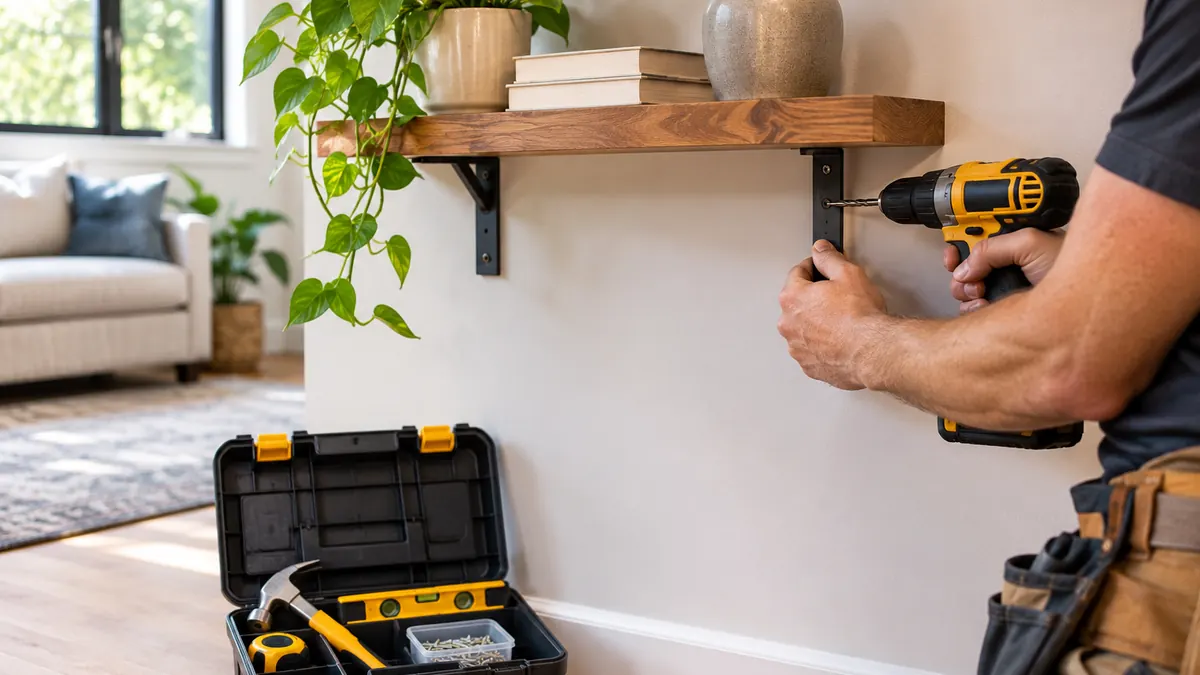
- mounting TVs, shelves and mirrors
- assembling furniture
- patching and painting drywall
- replacing door hardware, cabinet hinges and weatherstripping
- caulking, grouting and minor tile repairs
- repairing fences, decks and trim
What a licensed contractor does
A licensed contractor has met state or local requirements, which can include exams, experience, insurance and bonding. There are two main types:
- General contractors manage larger projects such as remodels and additions. They hire and coordinate specialist trades and usually handle permits.
- Specialty contractors are licensed for one trade, such as electrical, plumbing, HVAC or roofing.
8 more sections · 7 min read
Continue reading this guide
Watch a short ad to read the rest of this guide. You'll only need to do this once for this guide.
Not now, show me another guide →Which jobs need which: a quick guide
| Job | Usually OK for a handyman | Usually needs a licensed pro |
|---|---|---|
| Replace a light fixture on existing wiring | Depends on local rules | Often, in stricter areas |
| Add an outlet or new circuit | Electrician | |
| Replace a faucet | Usually | |
| Move or add plumbing lines | Plumber | |
| Anything involving gas | Licensed gas fitter or plumber | |
| Replace or service a furnace or AC | HVAC contractor | |
| Remove or alter a wall | General contractor | |
| Patch drywall, paint, hang shelves | Yes | |
| Replace a roof | Roofing contractor |
This table is a general guide. Rules vary by state and city.
License thresholds and local rules
Licensing rules differ widely. Many states require a contractor's license once a job goes over a certain dollar amount, including materials and labor. Some states license handymen separately, and some leave licensing to cities and counties.
Your state's contractor licensing board website will explain the rules and usually lets you look up a contractor's license number to check that it's active.
Advertisement
Why permits matter
Permits allow local inspectors to check that work meets safety codes. Electrical, plumbing, structural, roofing and HVAC work often need one.
- Work done without a required permit may have to be opened up, inspected or redone later.
- It can cause problems when you sell, if a buyer's inspector or lender finds unpermitted work.
- An insurer may question a claim linked to work that wasn't done to code.
Ask who will get the permit before work starts. With a licensed contractor, it's usually them.
Insurance and protection
Whoever you hire, ask for proof of liability insurance. If they have employees, workers' compensation insurance protects you if someone is injured on your property. Some states also require contractors to be bonded, which offers protection if work isn't completed.
Get a written estimate or contract that describes the work, materials, price, payment schedule and timeline.
Advertisement
Common situations: who to call
A leaky faucet and a loose railing. Two small jobs that a handyman can often handle in one visit.
Adding outlets to a garage. New circuits need a licensed electrician and usually a permit.
A bathroom refresh with new paint, mirror, lights on existing wiring and a new vanity on existing plumbing. A handyman may handle much of it, depending on local rules. Moving the shower or toilet means a plumber and a permit.
Opening up a kitchen wall. A general contractor, who will check whether the wall is load-bearing and arrange permits and trades.
How to find and check someone
- Ask neighbors, friends and local community groups for recommendations.
- Check reviews on more than one site, and look at how the person responds to complaints.
- Look up the license number on your state's licensing board website, if a license is needed.
- Ask for proof of insurance, and check that it's current.
- Get at least three written estimates for larger jobs.
- Ask for references from recent customers with similar jobs.
Advertisement
How pricing usually differs
Handymen usually charge by the hour or a flat price per job, often with a minimum charge. Contractors usually give a written bid for the whole project, which includes labor, materials, permits and their management fee.
For larger projects, expect a payment schedule tied to stages of work. Be cautious of anyone asking for most of the money upfront. The Federal Trade Commission warns that large upfront payments and cash-only requests are common signs of home repair scams.
Conclusion
For small repairs and installs, a handyman can be a practical, cost-effective choice. For electrical, plumbing, gas, HVAC, roofing or structural work, a licensed professional is usually required and safer. Check your local licensing rules, ask about permits and insurance, and get everything in writing.
Common questions
Can a handyman do electrical work?
Usually only minor work, and in some areas none at all. New wiring, circuits and panel work typically require a licensed electrician and a permit.
How do I check a contractor's license?
Most state contractor licensing boards have an online lookup where you can enter a name or license number.
Is a handyman cheaper than a contractor?
Often for small jobs, because there's less overhead. For larger projects, a contractor's ability to manage trades and permits can save time and problems.
Sources and further reading
This guide is general information. Licensing and permit rules vary by state and city, so check the rules where you live.