The Small Home Repairs That Get Expensive If You Wait
Ten small problems around the house that are easy to ignore, and why fixing them early pays off.
In this guide
Key takeaways
- Most big repair bills start as small, slow problems.
- Water is behind many of them: drips, gaps in caulk and blocked gutters.
- A few minutes of checking each season can catch problems early.
Introduction
Some home problems announce themselves, like a burst pipe. Others creep up quietly. A small drip, a crack in the caulk or a gutter full of leaves doesn't seem urgent, but left alone, these little issues can turn into expensive repairs.
Here are ten small problems worth fixing sooner rather than later.
Advertisement
1. Cracked caulk around the tub or shower
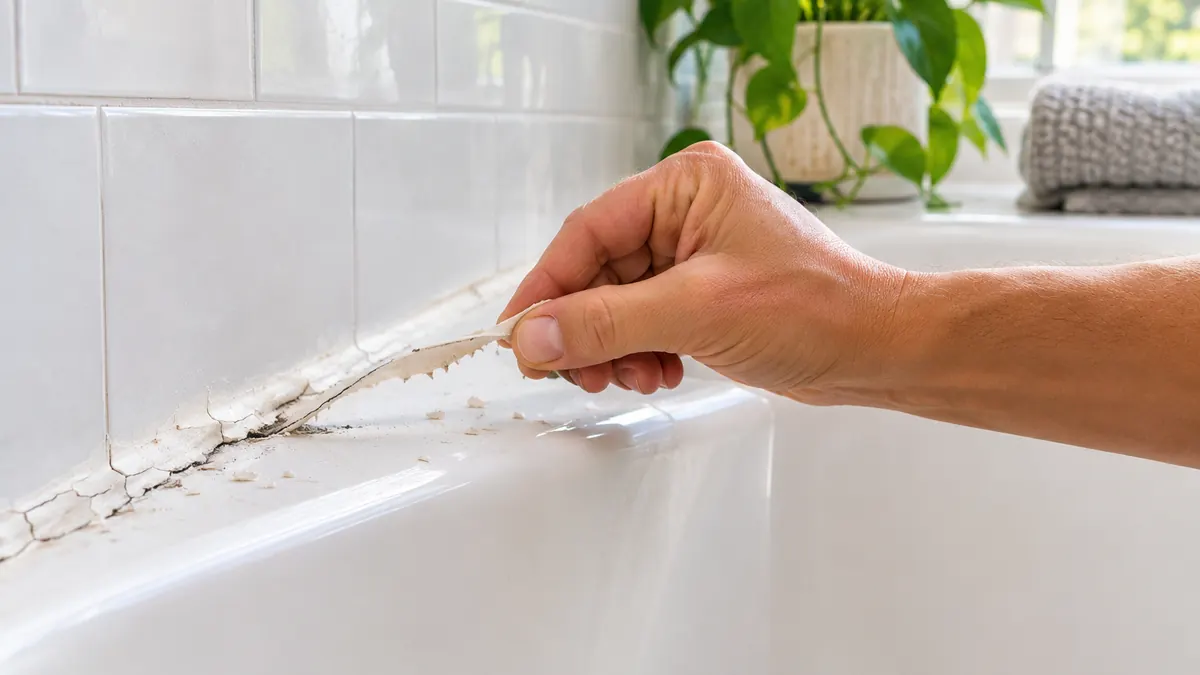
Caulk keeps water from getting behind your tub, shower and tiles. Once it cracks or peels, water can seep into the wall and subfloor, where it can lead to mold and rot that's hidden from view.
Replacing caulk is one of the cheapest repairs in the house. Fixing water damage behind tiles is one of the most disruptive.
2. A dripping faucet
A slow drip sounds harmless, but it adds up. The US Environmental Protection Agency says a faucet dripping once per second can waste more than 3,000 gallons of water a year.
Often the fix is a new washer or cartridge.
10 more sections · 5 min read
Continue reading this guide
Watch a short ad to read the rest of this guide. You'll only need to do this once for this guide.
Not now, show me another guide →3. A toilet that keeps running
A running toilet can waste far more water than a dripping faucet, and it's usually caused by a worn flapper or a chain that needs adjusting. Both are quick, low-cost fixes.
See our guide: How to Fix a Running Toilet.
4. Clogged gutters
When gutters fill with leaves, rainwater spills over the sides and pools near your foundation. Over time, that can lead to damp basements, damaged siding and rotting trim. In cold climates, blocked gutters can also contribute to ice dams on the roof.
Many homeowners clean their gutters at least twice a year, in late spring and after the leaves fall.
Advertisement
5. A lint-filled dryer vent
Cleaning the lint screen isn't enough. Lint also builds up inside the vent duct. The US Fire Administration says failure to clean dryers is a leading cause of home clothes dryer fires.
If clothes are taking longer to dry, or the dryer feels very hot, the vent may need cleaning.
6. Missing or damaged roof shingles
One missing shingle can let water reach the roof deck below. Small leaks often go unnoticed until stains appear on a ceiling, by which time insulation and wood may already be damaged.
After a big storm, it's worth looking at your roof from the ground with binoculars.
Advertisement
7. Peeling exterior paint
Paint isn't only about looks. It protects wood siding, window frames and trim from moisture. Once it peels, bare wood can absorb water and start to rot. Repainting is far less expensive than replacing rotten wood.
8. An old HVAC filter
A clogged air filter makes your heating and cooling system work harder, which can raise energy use and add strain to the equipment. Many filters need changing every one to three months. The packaging will tell you how often.
Advertisement
9. Loose or cracked grout
Grout between tiles in showers and on floors keeps water out of the layer underneath. When it cracks or crumbles, water can get behind the tiles. Regrouting a small area is a manageable weekend job. Replacing tiles and the backer board behind them is not.
10. Small cracks in the driveway or walkway
Small concrete cracks let water in. In cold climates, that water freezes, expands and makes the cracks bigger every winter. Concrete crack filler from a hardware store can seal small cracks before they spread.
Advertisement
A simple seasonal checklist
- Spring: check the roof and gutters after winter storms, and look for water stains on ceilings.
- Summer: look at exterior paint and caulk around windows and doors.
- Fall: clean gutters after the leaves fall, change the HVAC filter and clean the dryer vent.
- Winter: watch for drafts, check under sinks for slow leaks and keep an eye on ice building up along the roof edge.
Conclusion
Most expensive repairs start small. A quick walk around the house each season, looking for drips, cracks, peeling paint and blocked gutters, can catch problems while they're still easy to fix. For jobs you'd rather not tackle yourself, a handyman can often handle several in one visit.
Common questions
How often should gutters be cleaned?
Many homeowners clean them at least twice a year. Homes near lots of trees may need more frequent cleaning.
How do I know if my dryer vent is clogged?
Common signs include clothes taking longer to dry, the dryer or laundry room feeling unusually hot, and a burning smell. Stop using the dryer and have the vent cleaned.
Can I recaulk a shower myself?
Yes. Remove the old caulk completely, clean and dry the area, then apply a new bead of kitchen and bath caulk. Let it cure fully before using the shower.
Sources and further reading
This guide is general information. Licensing and permit rules vary by state and city, so check the rules where you live.